
Protecting Older Adults from Financial Exploitation
J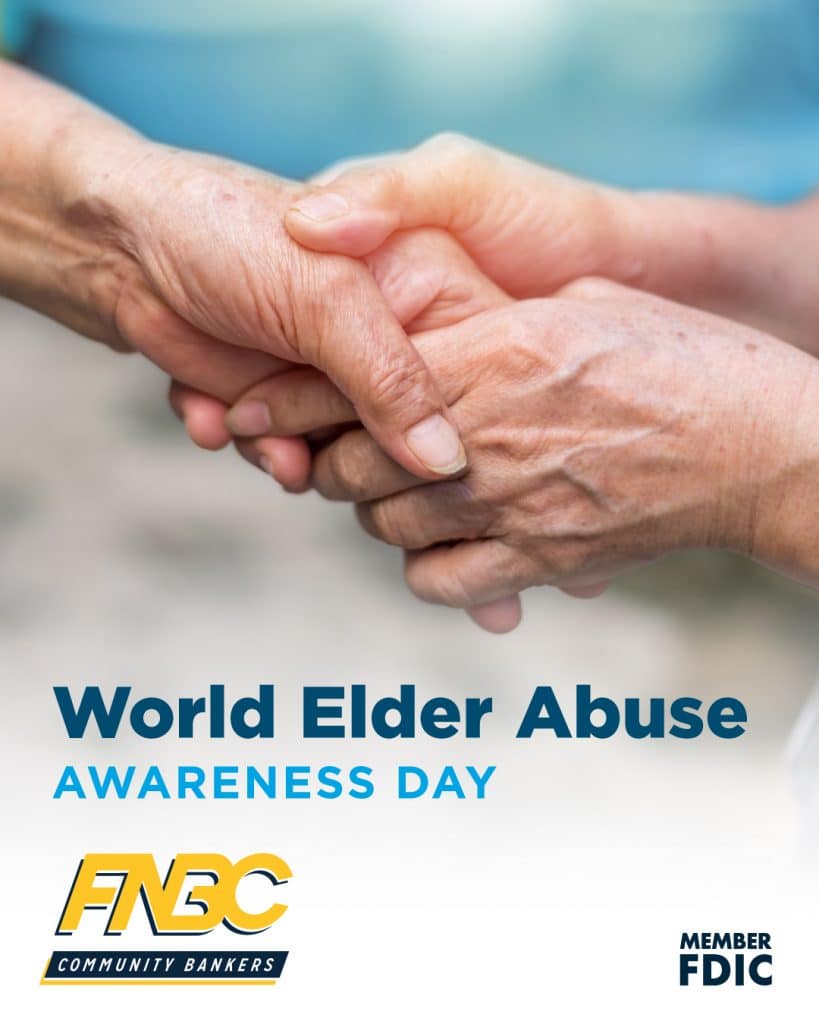 une 15 is World Elder Abuse Awareness Day, a reminder that financial exploitation remains one of the most common, and often least visible, forms of elder abuse.
Financial exploitation occurs when someone improperly uses an older adult’s money, assets or personal information for their own benefit. While people falling victim to scams by strangers often make headlines, exploitation is frequently committed by someone the victim knows and trusts, including caregivers, acquaintances or even family members.
Warning Signs to Watch For
Financial exploitation can happen gradually, making it difficult to detect. Some common warning signs include:
- Unexplained withdrawals or transfers from bank accounts
- Sudden changes in spending habits
- Missing checks, debit cards or financial documents
- New individuals becoming heavily involved in financial decisions
- Unpaid bills despite adequate income or resources
- Confusion about recent transactions
- Pressure to send money, purchase gift cards or wire funds
- Isolation from family members or trusted advisors who previously helped manage finances
Common Scams Targeting Older Adults
Fraudsters often create a sense of urgency or fear to convince victims to act quickly. Common schemes include:
- Impersonation scams claiming to be from government agencies, banks or law enforcement
- Grandparent scams involving fake emergencies
- Romance scams
- Sweepstakes and lottery scams
- Tech support scams
- Investment and cryptocurrency scams
Remember: Legitimate organizations will never demand immediate payment, request gift cards as payment or ask you to move money to a “safe” account.
How to Help Protect Yourself and Loved Ones
- Talk openly about scams and fraud trends.
- Review financial statements regularly.
- Verify unexpected requests for money before taking action.
- Be cautious when sharing personal information online or over the phone.
- Stay connected with family, friends and trusted advisors.
- Designate a trusted contact who can help identify unusual financial activity.
When Something Doesn’t Feel Right, P.A.W.S.
At FNBC, we encourage customers to:
Pause before acting on unexpected requests.
Ask questions – does the request make sense?
Who is really asking? Scammers pretend to be people you trust.
Stop the Scam – If something feels wrong, stop and contact the bank!
If you believe you or a loved one may be the victim of financial exploitation, contact your financial institution immediately and report the situation to local authorities or Adult Protective Services.
More fraud awareness can be found here. A little caution today can help protect a lifetime of savings tomorrow.